

After sharing her experiences online from a visit with the Hadzabe hunter-gatherers in Tanzania, Anniina Sandberg noticed something unsettling. Some of the responses focused less on understanding the community and more on portraying Indigenous people as entertaining or amusing.
In an era of accessible travel, ubiquitous cameras, and content creation, for Sandberg, it reinforced a growing concern: where is the line between meaningful cultural exchange and turning people into tourism products or social media content?

It is a question that Anniina Sandberg, cultural anthropologist, CEO and founder of Visit Natives, has pondered through her work with Indigenous communities around the world. A cultural anthropologist leader in Indigenous-led tourism, Sandberg has spent more than two decades working alongside communities including the Maasai and Hadzabe in Tanzania, Sámi families in Norway, Berber communities in Morocco, and Indigenous groups in Papua New Guinea.
Visit Natives is dedicated to creating meaningful experiences between travellers and Indigenous communities. Through her work, Sandberg has witnessed how greater visibility has created both opportunities and challenges for Indigenous communities.
“When we talk about sustainable tourism, we have focused on environmental issues and social issues, but we rarely talk about the impact of social media,” she told Ethical Traveler.
“I’ve seen that Indigenous people are very vulnerable. People can misuse the experience just to create content that is about getting clicks and views.”
Drawing on more than a decade of experience, Sandberg shared her concerns about how this demand for attention-grabbing content can encourage creators to sensationalize and exoticize Indigenous peoples and communities “Some people start to use them as entertainment,” she explained. “My worry is that it creates stereotypes.” Online content can flatten complex cultures and traditions into simplified narratives designed to capture clicks and attention. This not only misrepresents Indigenous communities; it also risks undermining the very purpose of cultural exchange, which should be rooted in respect, learning, and genuine human connection.

For Anniina, there is a distinction between a tourism experience and a meaningful cultural exchange. Many tourist experiences are designed around convenience —arrive, participate, take photos, and leave. As a result, Indigenous cultural activities are adapted to fit visitors’ itineraries, occurring outside of the community’s normal daily rhythm. To explain what Anniina compares truly meaningful cultural exchange to inviting someone into your home. By sharing meals, conversations, and everyday life, travelers move beyond being spectators and become participants in their hosts’ human experience. Visit Natives does not offer day trips, instead focusing on multi-day stays with families and communities. No fixed itinerary; just encounters unfolding naturally, creating opportunities for relationships, deeper learning, connection, and mutual understanding.
Consent is another area that Sandberg believes deserves far greater attention. While many travelers understand the importance of asking permission before taking a photograph, the reality is more complex than a simple “yes” or “no.” Many Indigenous communities may have a limited understanding of how social media works, the way images may be shared, or the global reach of online content.
“When communities don’t know their rights, or don’t fully understand how their images might be used, it becomes much more complicated.” Anniina explained.

For Sandberg, truly informed consent requires transparency, fair compensation, mutual understanding, and ensuring that Indigenous people have both the knowledge and agency to make decisions about how they are represented.
But the responsibility for protecting Indigenous communities does not rest solely with travelers. Tourism operators and the wider industry also have a role to play. “There should be some code of conduct,” Sandbery explained. “Many Indigenous communities face ongoing challenges in maintaining their land, culture, and livelihoods, which can make them more vulnerable to accepting tourism opportunities that may not always serve their long-term interests.” She believes providers have a responsibility to educate travelers and establish clear standards for respectful engagement.
For Sandberg, ethical Indigenous tourism is about creating experiences that are community-led, respect local autonomy, support cultural preservation, and prioritize the wellbeing of the people whose lives and traditions are being shared. Ultimately, she believes the issue is not whether travelers should visit Indigenous communities or share their experiences online, but whether those interactions are grounded in dignity, reciprocity, and genuine human connection.
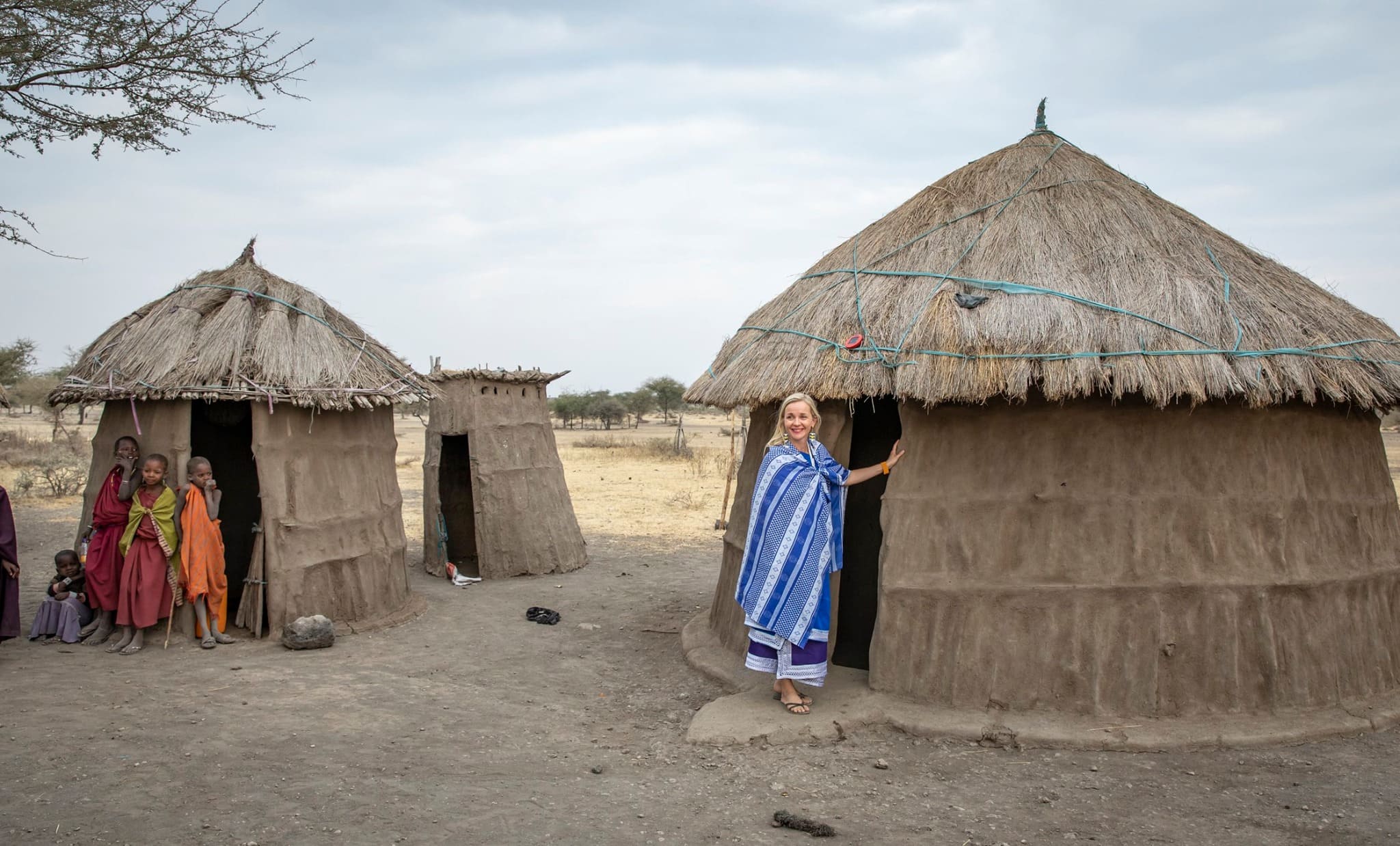
Through her work with Visit Natives, Sandberg encourages people to approach the world with an open mind. For her, meaningful travel is an opportunity “to experience the world as a rich mosaic of cultures, perspectives, and ways of life.” Sandberg believes some of the most valuable travel experiences come not from luxury hotels or carefully curated itineraries, but from the simple act of sharing everyday life with others. Whether it is eating together, sleeping under the same roof, or simply participating in daily routines, “It’s very human,” she said. “The core of humanity is just spending time with each other
You can visit https://www.visitnatives.com/ for more information and Indigenous-led experiences.
Read Ethical Traveler's Reprint Policy.